Overview
Sustainable tourism in the Andaman Islands is about travelling in a way that respects nature, culture and local livelihoods, so that the islands stay beautiful and welcoming for the people who live here and the travellers who come after us. It is not a label; it is a set of everyday choices about where you go, how you move and who you spend your money with.
This page explains the commitments behind every Offbeat Andaman experience, and the practical habits we encourage every guest to follow. It also replaces our former Responsible Travel page.
Our promise is simple. We keep groups private or small, use established routes and permitted locations, work with willing local hosts who are paid fairly and are honest about what depends on permits, sea conditions and host availability. We never promise wildlife sightings, never stage encounters and never publish prices that may not hold; every plan is priced on request.
Sustainable travel also means planning well. Fewer, longer stays use less fuel than rushing between islands; travelling outside the busiest hours spreads visitors more evenly; and choosing locally owned stays, guides and restaurants keeps more of what you spend in island households. We help every guest make these choices without sacrificing comfort or wonder.
Why It Matters
The islands are small, fragile and remote. Fresh water, waste disposal and transport are limited, popular beaches can become crowded in peak season and many habitats are protected for good reason. The archipelago is also home to indigenous communities whose privacy and protected status must be respected absolutely.
Tourism brings income and opportunity, but only if it is managed with care. When travellers choose small groups, local hosts and honest operators, more of the value stays in the islands and less damage is done.
How Travellers Can Help
- Travel in small groups and avoid the busiest hours at popular sites
- Choose locally owned stays, guides and restaurants
- Carry a refillable bottle and refuse single-use plastic
- Respect dress codes and ask before photographing people
- Never seek out or photograph indigenous communities or their reserves
- Follow park, forest and marine rules even when no one is watching
Practical Guidelines
- Stay on marked trails and permitted beaches
- Keep noise low in nature and villages
- Take all your rubbish back to town
- Save water and electricity in island stays
- Pay hosts and guides fairly and tip for good service
- Accept that weather and permissions sometimes change plans
Gallery

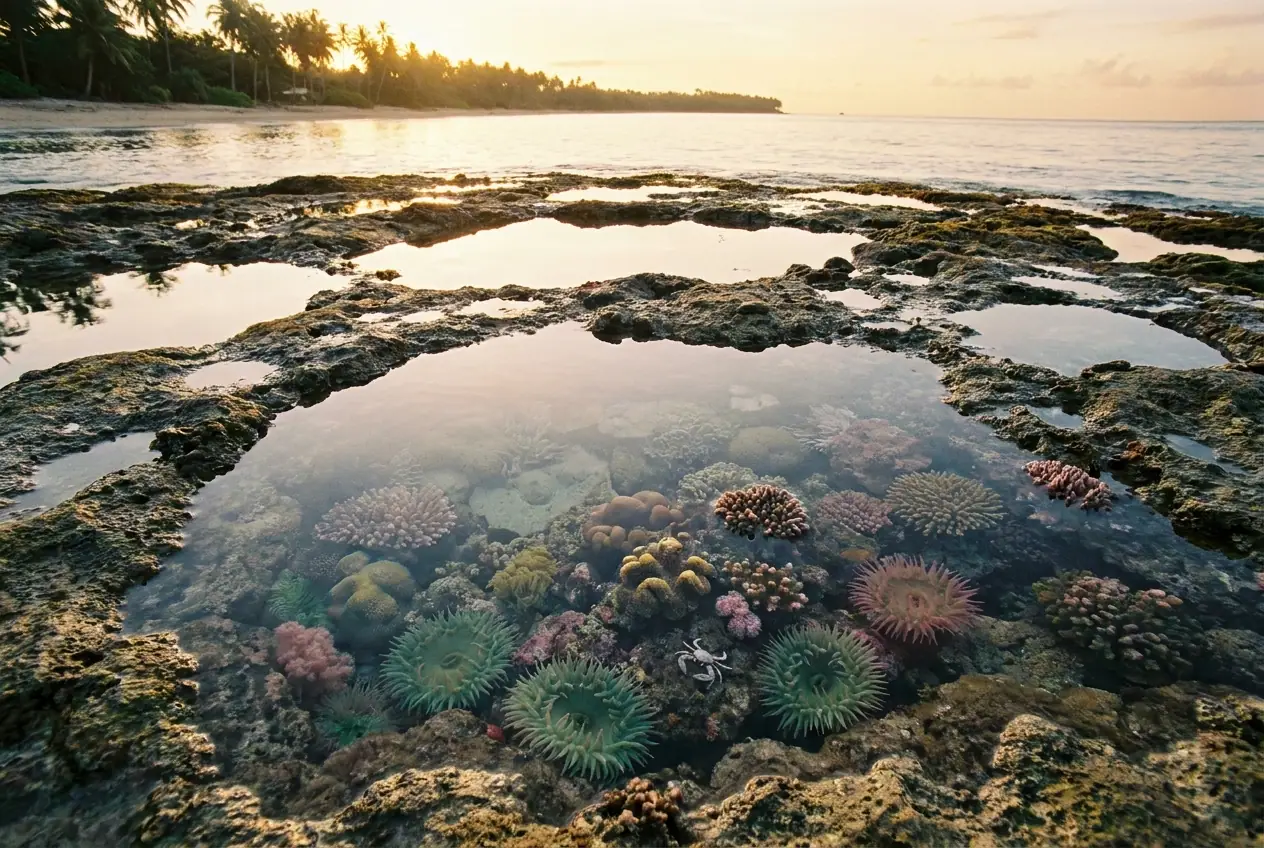
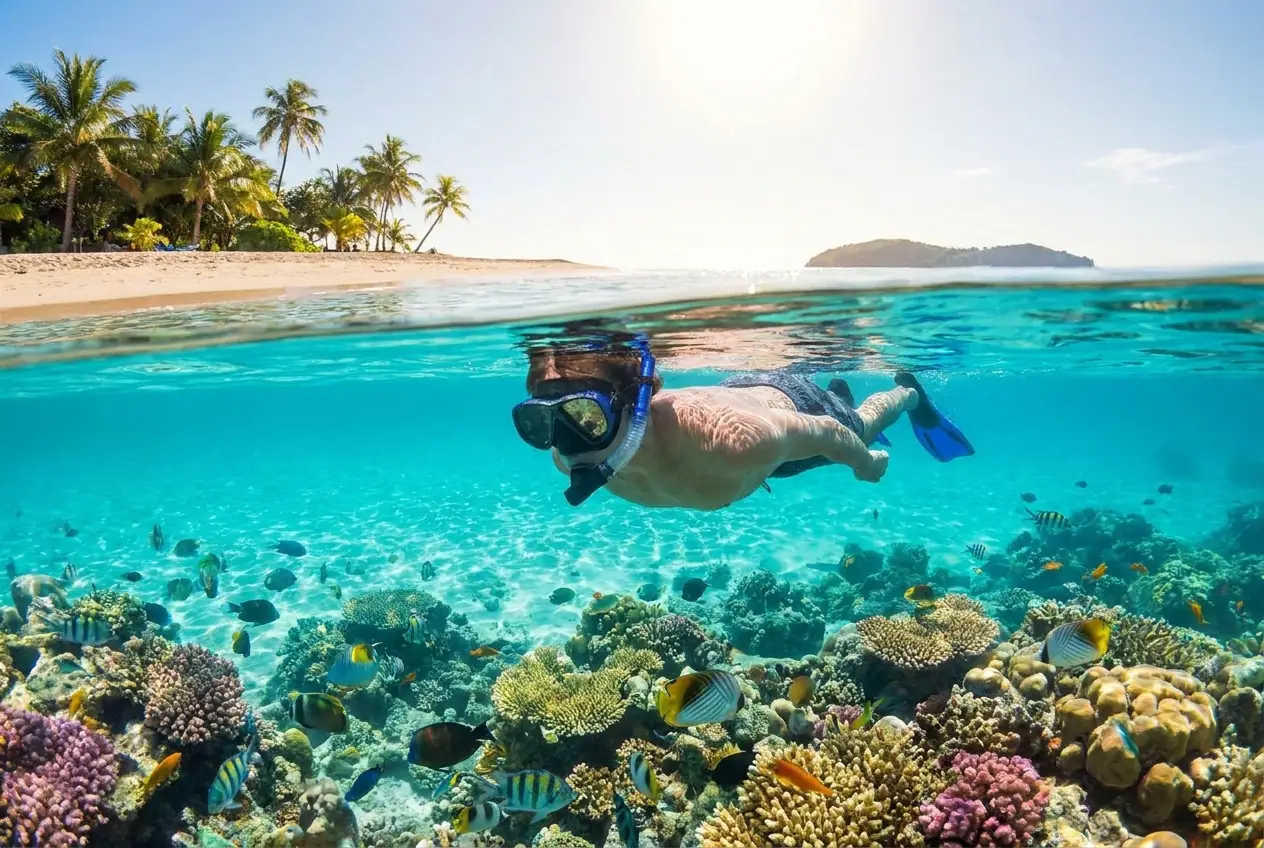
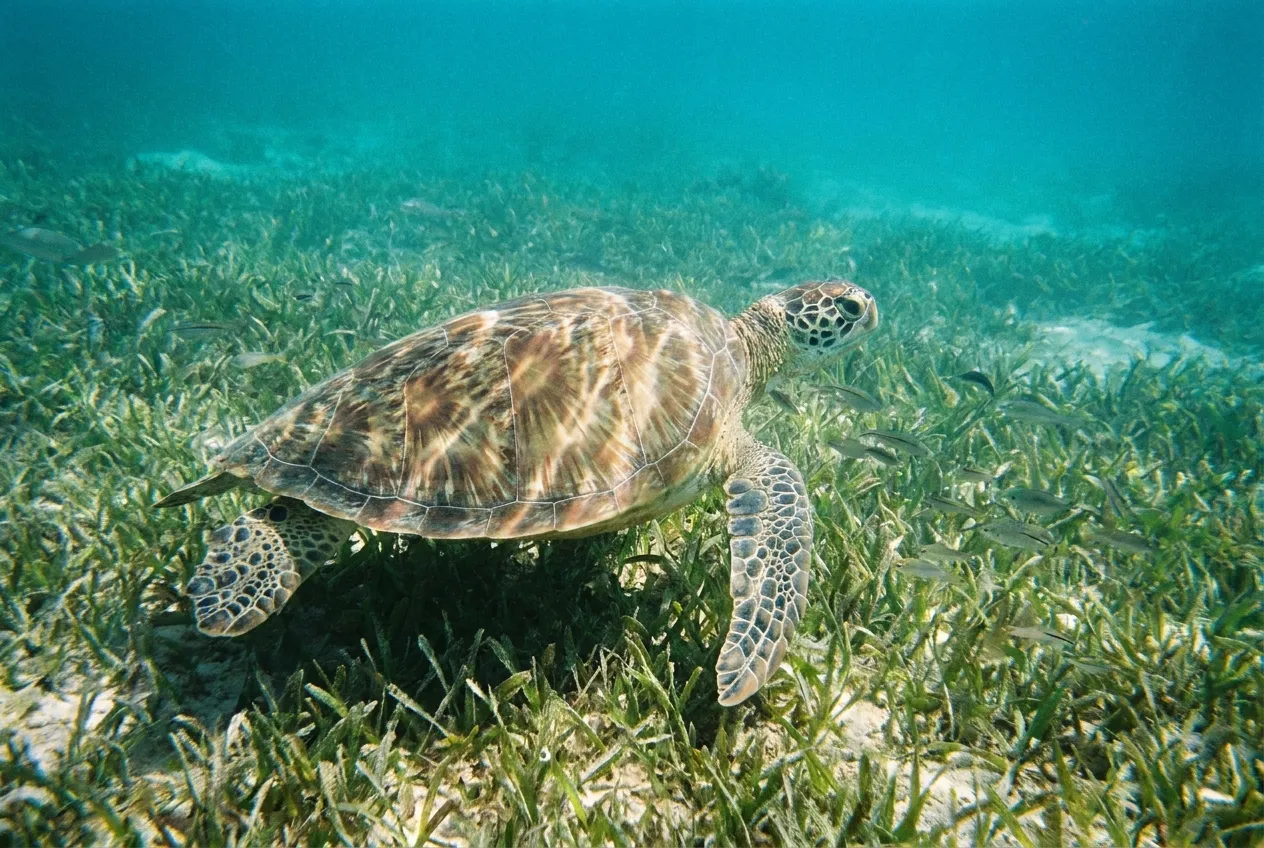
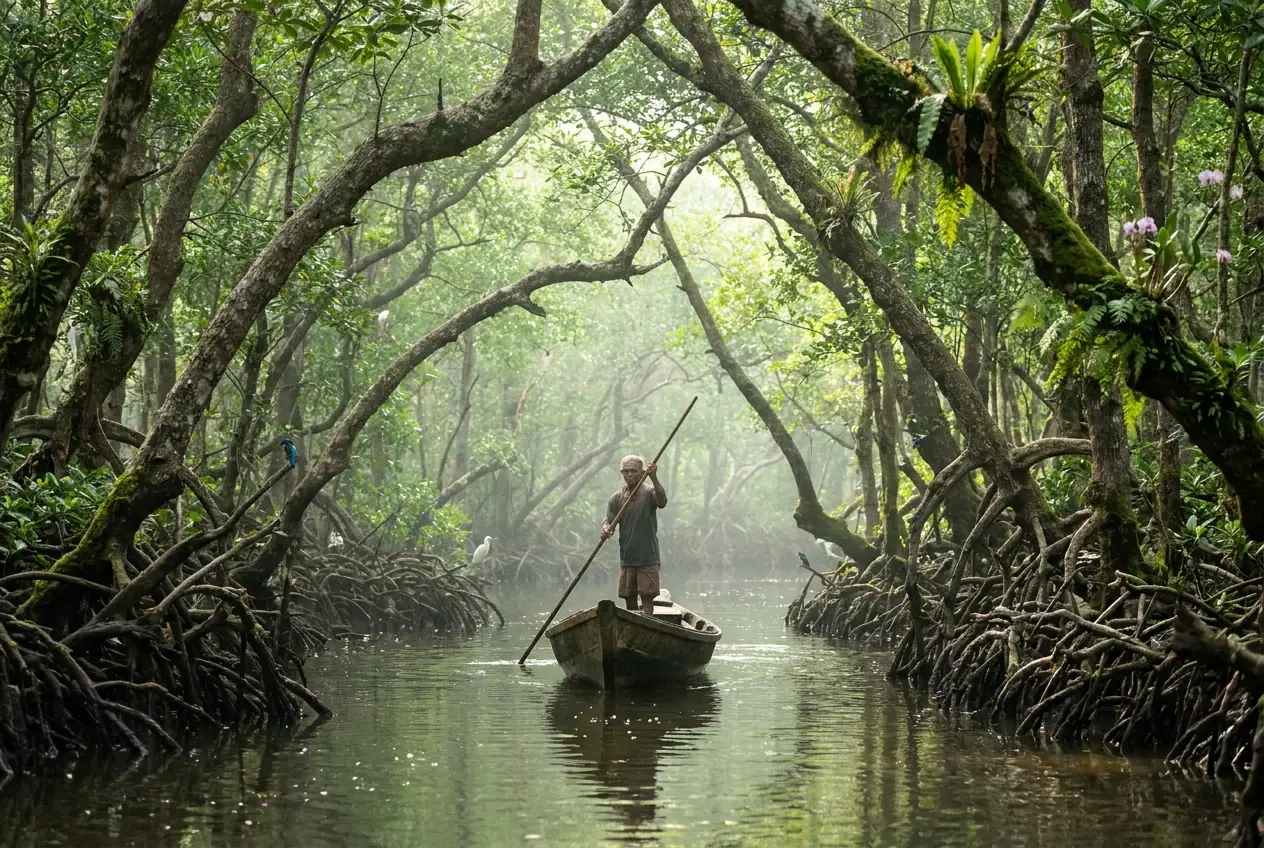


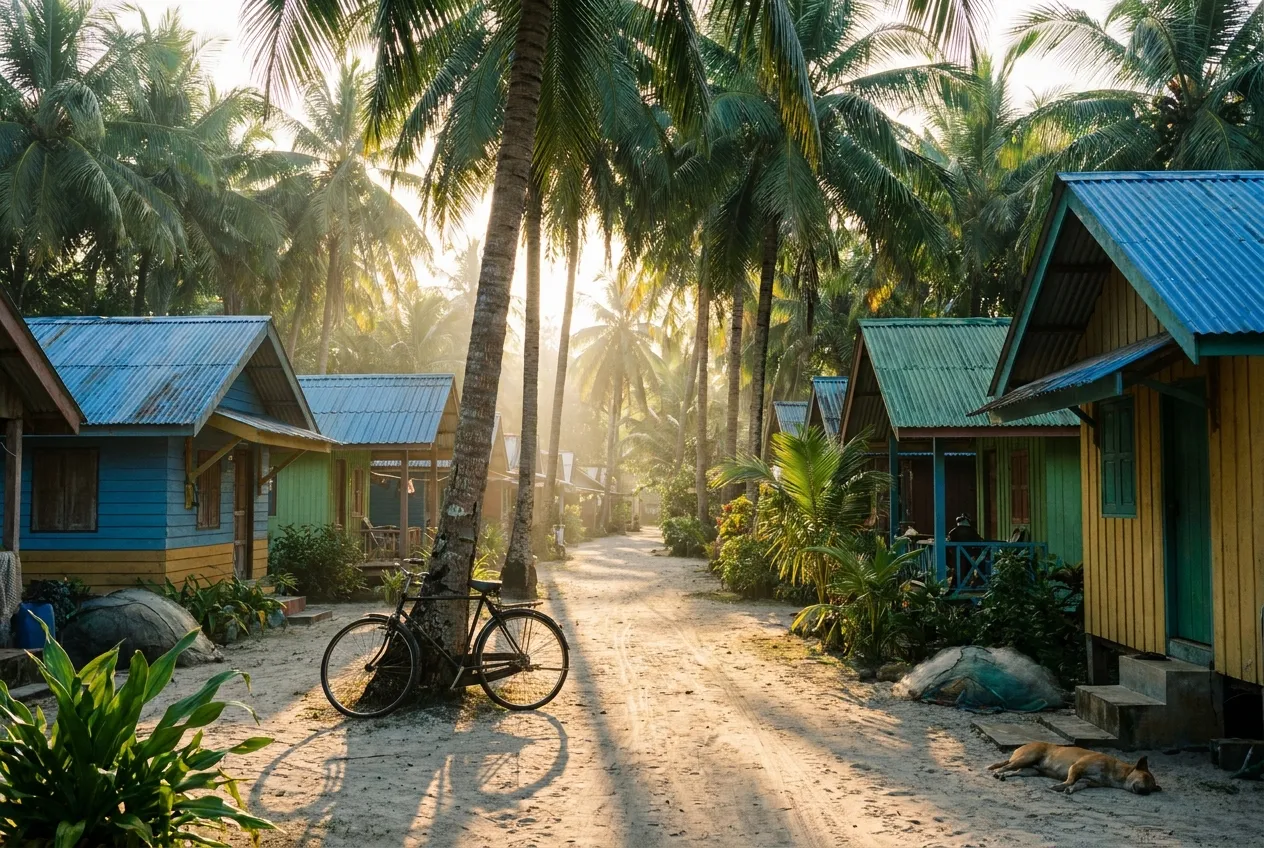
Sample itinerary
- Planning
Choose slow and local
Fewer, longer stays and locally owned hosts.
- Arrival
Carry reusables
Refuse single-use plastic from day one.
- Each day
Small groups, quiet hours
Avoid the busiest times at popular sites.
- With people
Ask first
Ask before photographing people; never seek out indigenous communities.
- Departure
Leave it better
Take rubbish back to town and tip fairly.
Sample itinerary – final plan depends on permissions, sea conditions and host availability.
FAQs
What is sustainable tourism in Andaman?
Travelling in ways that protect nature, respect culture and support local livelihoods, through everyday choices on every trip.
Do you visit indigenous communities?
Never. We never market, visit, approach or photograph indigenous communities or their reserves.
Do you promise wildlife sightings?
No. Wildlife is part of the magic of the islands, but sightings are never promised, chased or staged.
Are you certified as a sustainable operator?
We do not claim any certification. We follow the practices described here and keep improving them.
What happened to the Responsible Travel page?
It now lives here, as part of our Future section on responsible travel and conservation.