Overview
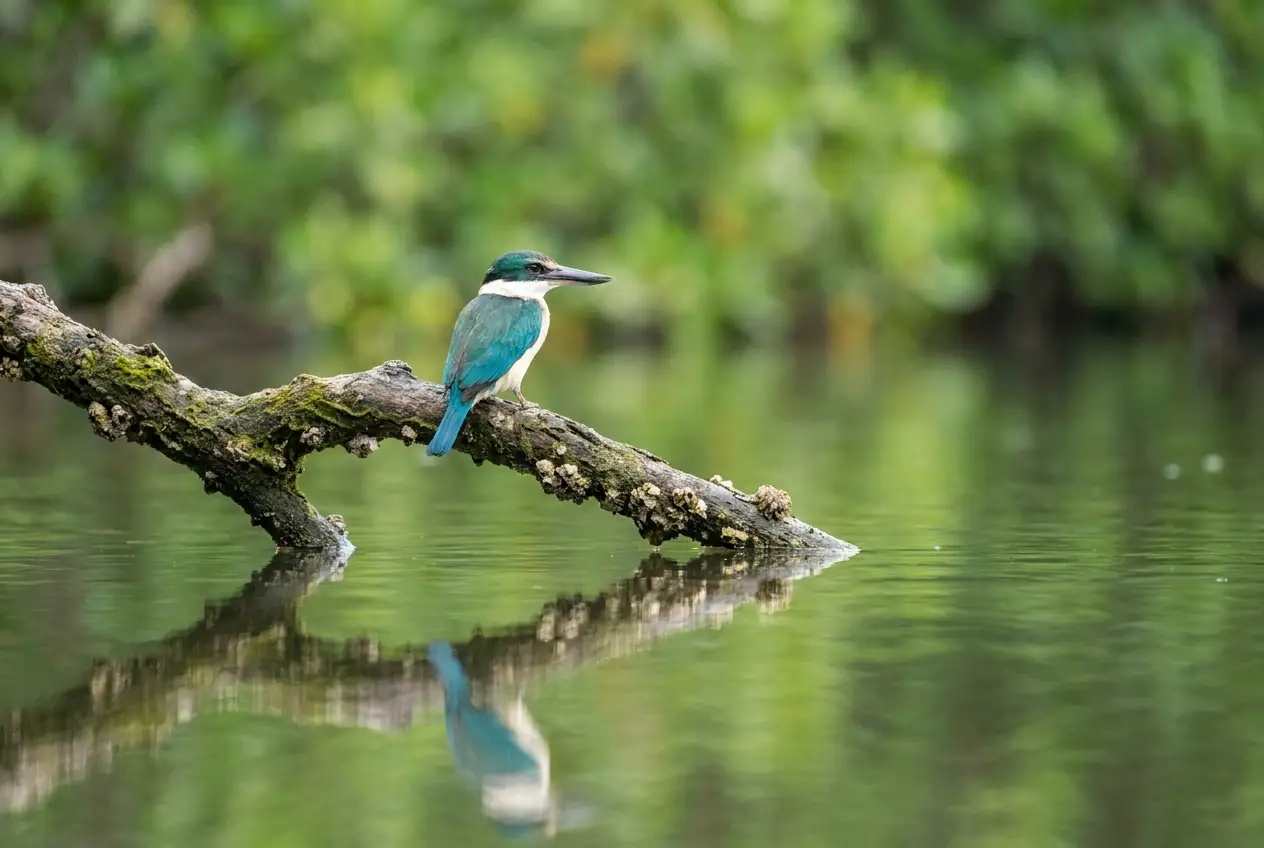
Responsible wildlife observation is the heart of how we approach nature in the Andaman Islands. The islands are home to remarkable wildlife, from endemic birds and reptiles to nesting sea turtles, robber crabs and spotted deer introduced long ago. Seeing any of them in the wild is special, but only when it happens on the animals' terms.
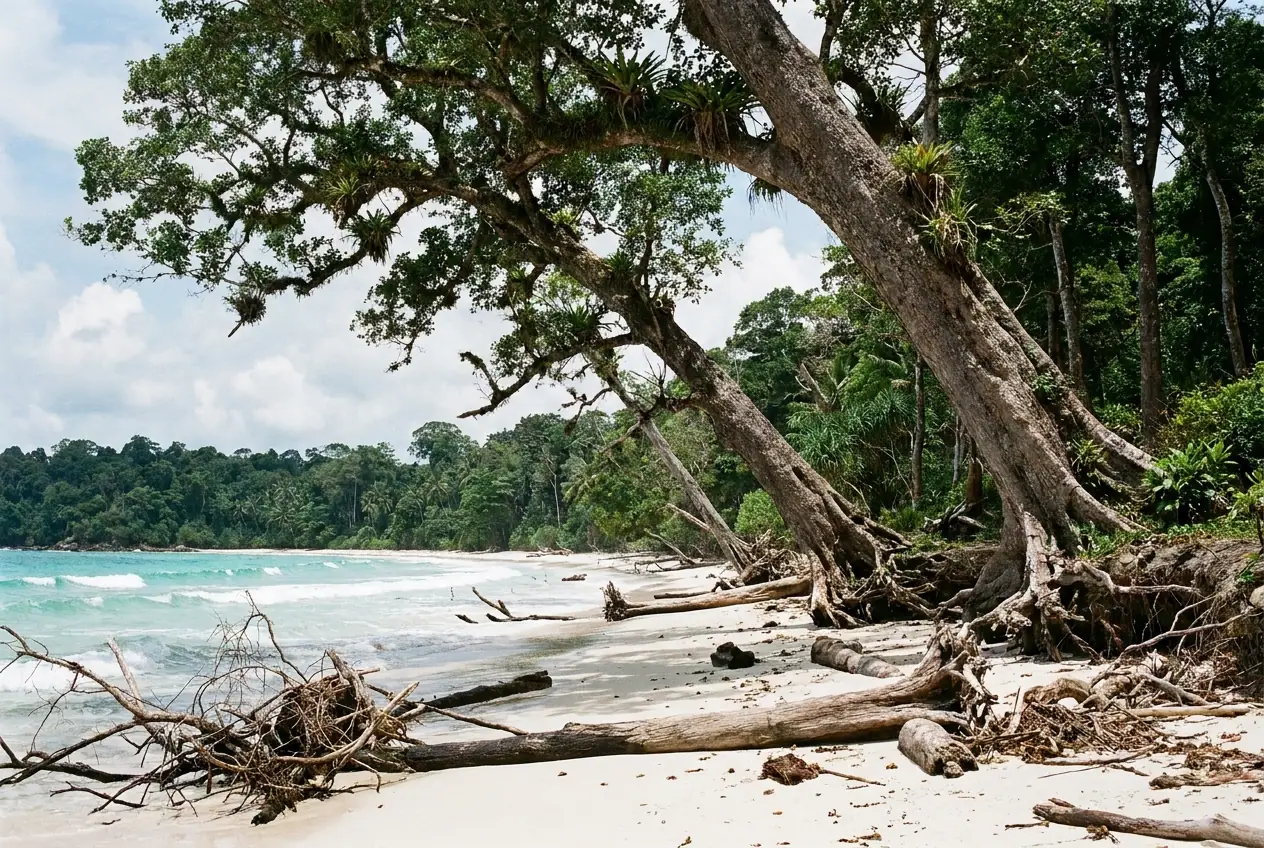
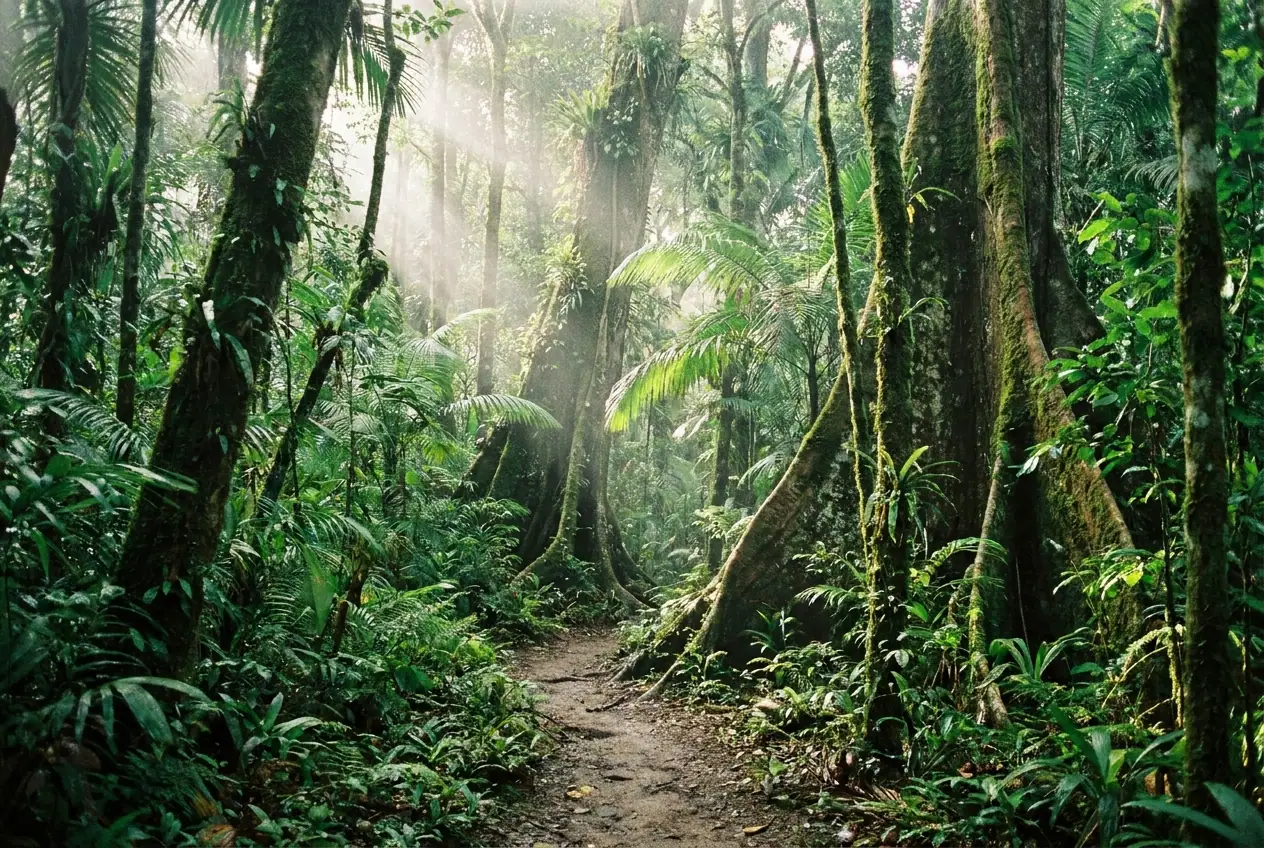
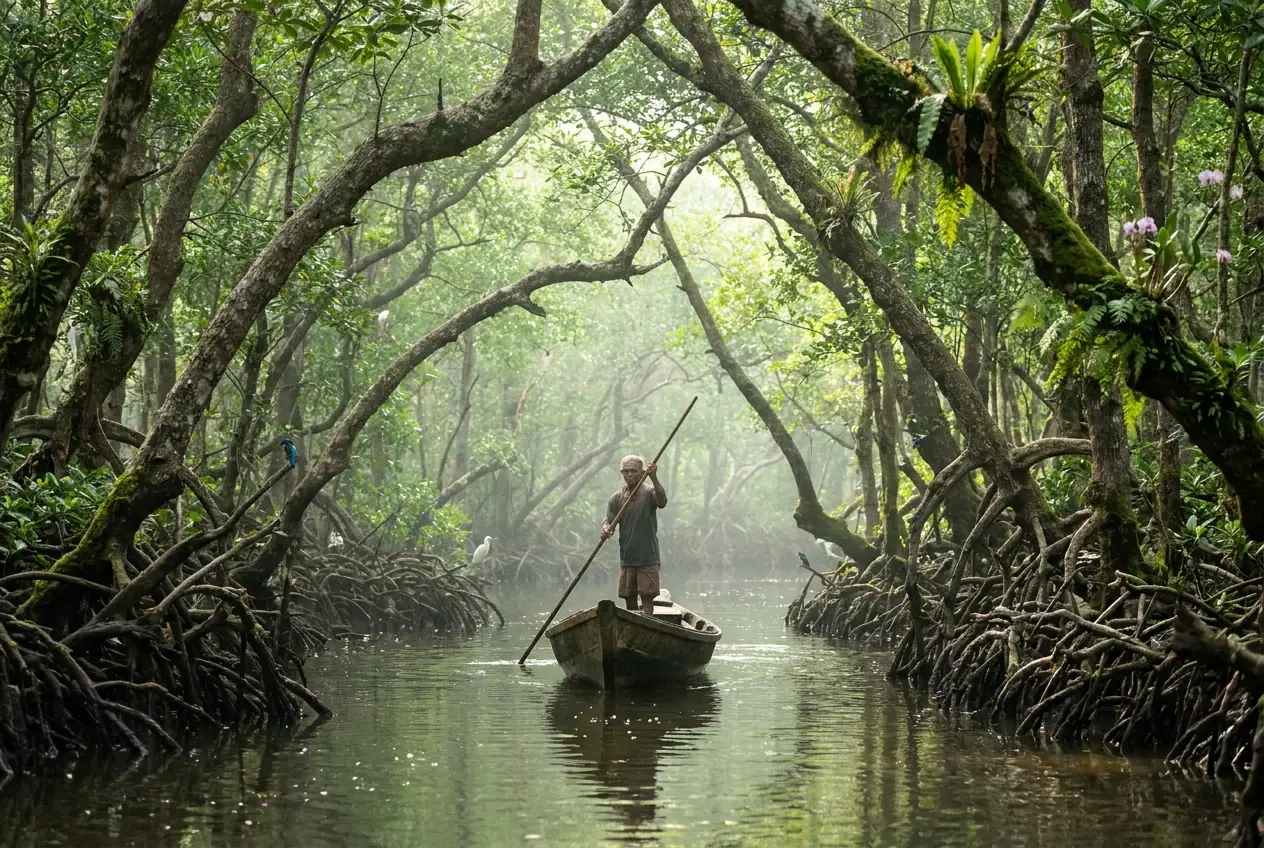
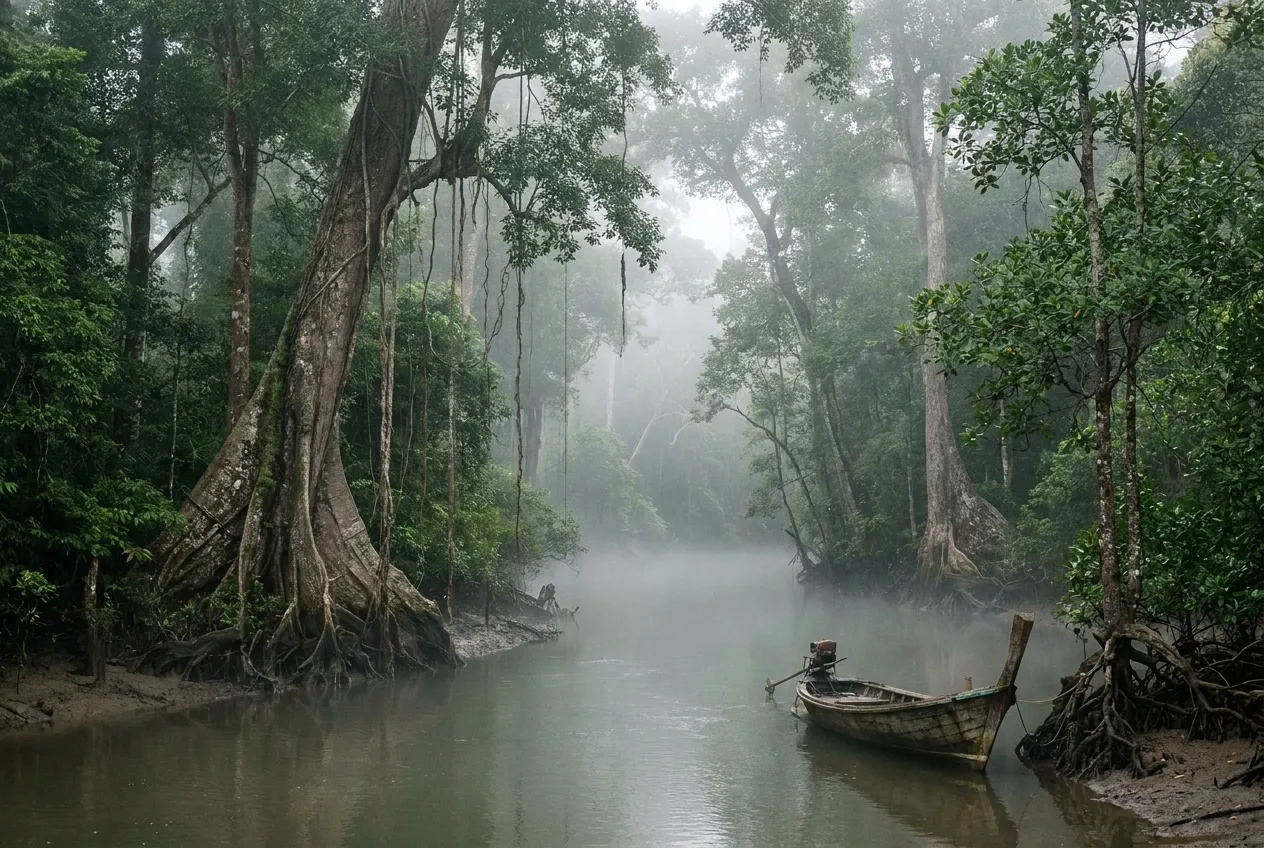
This guided outing combines a forest edge, a quiet beach and, where suitable, a mangrove fringe or a dusk walk, with a naturalist who teaches you how to observe without disturbing. You learn to move slowly, keep your distance, use your eyes and ears before your camera and recognise signs such as tracks, calls and feeding marks. In the nesting season, we explain the turtle-friendly rules followed on beaches such as those in North Andaman, without promising any encounter.
We never use baiting, playback calls, flash photography on nocturnal animals or off-trail shortcuts, and we follow forest and park rules closely. Groups are tiny, and we choose routes that avoid crowds. The goal is not to collect sightings but to experience the islands' wild side respectfully, and to leave with habits you can use on any nature trip.
Highlights
- Ethical wildlife
- Small groups
- No promised sightings
What to Expect
- A briefing on wildlife ethics, distances and photography etiquette.
- A slow walk through forest edge and coastal habitats with a naturalist.
- Practice in spotting tracks, calls, nests and feeding signs.
- Quiet observation time at a viewpoint or shoreline.
- A summary of responsible habits for future nature trips.
Location
Forest edges, beaches and mangrove fringes in South Andaman or Swaraj Dweep, with seasonal options in North Andaman on longer journeys.
Duration
About three to four hours, in the early morning or late afternoon.
What's Included
- Naturalist guide
- Binoculars to borrow
- Red-filtered torches for dusk walks
- Drinking water and a snack
- Wildlife ethics guide
Best For
Nature lovers, families and photographers.
Ideal for anyone who wants to enjoy wildlife in a way that respects it, and for parents who want to teach children good nature habits.
Best Time
November to April for settled weather. Early morning and late afternoon are best for activity.
Permissions & Availability
Responsible Wildlife Observation is subject to permissions, sea conditions and host availability. Forest areas and beaches have rules, timings and seasonal closures, especially during turtle nesting. We follow them strictly.
We confirm every element a day or two before you travel and keep you informed if plans need to change. Safety, local rules and our hosts' wishes always come first.
Responsible Travel
Responsible Wildlife Observation follows our responsible travel promise. We keep groups small, use established routes and permitted locations, pay hosts fairly and leave every place as we found it. We never promise wildlife sightings, and we never market, visit or photograph the islands' indigenous communities, whose privacy and protected status we fully respect.
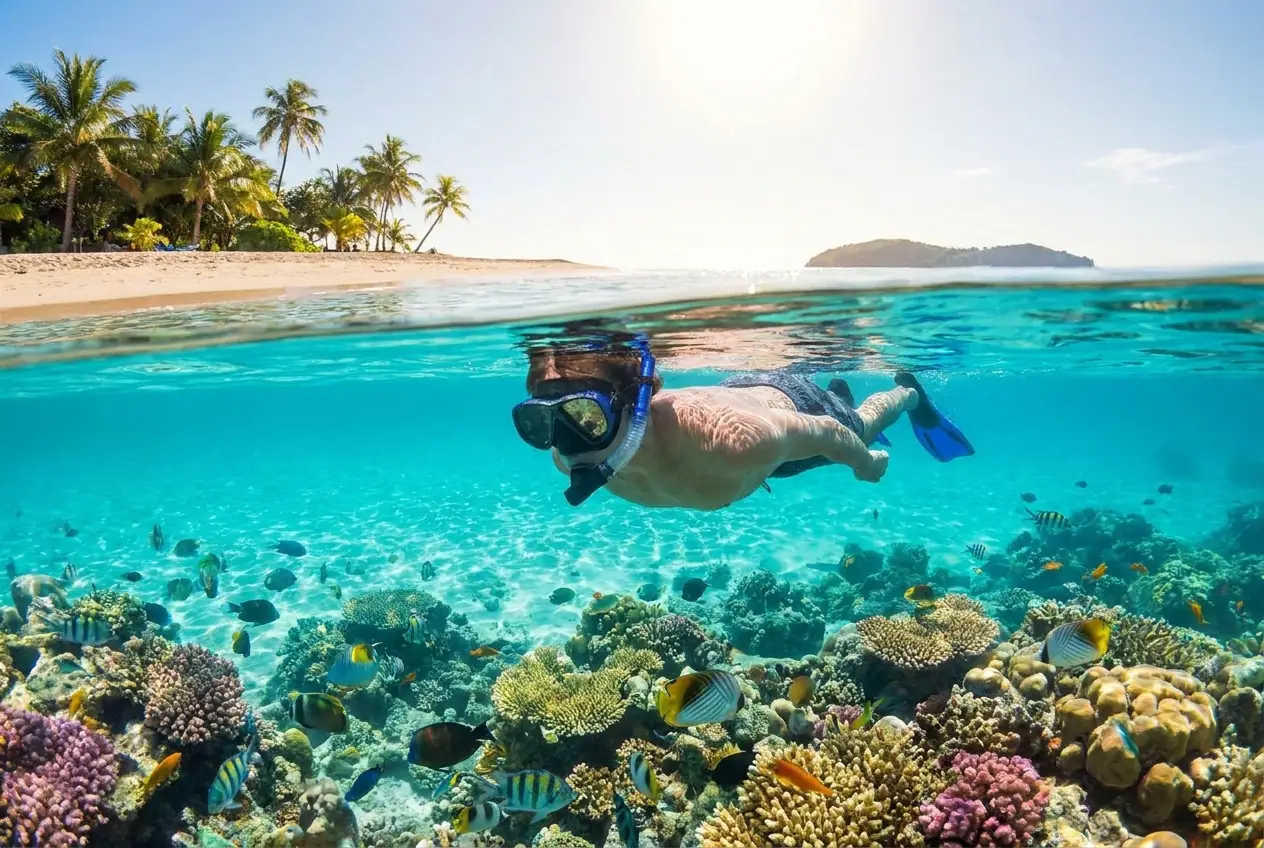
Please carry a refillable bottle, use reef-safe sunscreen, avoid touching coral or wildlife and ask before photographing people.
Gallery

Sample itinerary
- 16:00
Ethics briefing
Distances, silence and photography etiquette.
- 16:30
Forest edge walk
Read tracks, calls and feeding signs.
- 17:30
Shoreline watch
Quiet observation as the light fades.
- 18:15
Dusk walk
Red-filtered torches only, no flash.
- 19:00
Wrap-up
Share good habits for future nature trips.
Sample itinerary – final plan depends on permissions, sea conditions and host availability.
FAQs
What does responsible wildlife observation mean?
Watching wildlife without disturbing it: keeping distance, staying quiet, following rules and never baiting or chasing animals.
Will we see turtles nesting?
Nesting depends on season and nature, and access to nesting beaches is controlled. No sighting is ever promised.
Can I photograph animals?
Yes, from a respectful distance and without flash on nocturnal animals.
Is it suitable for children?
Yes, it is a wonderful way to introduce children to nature ethics.
How much does it cost?
Price on request. It depends on the location, timing and group size, and we send a clear quote.