Overview
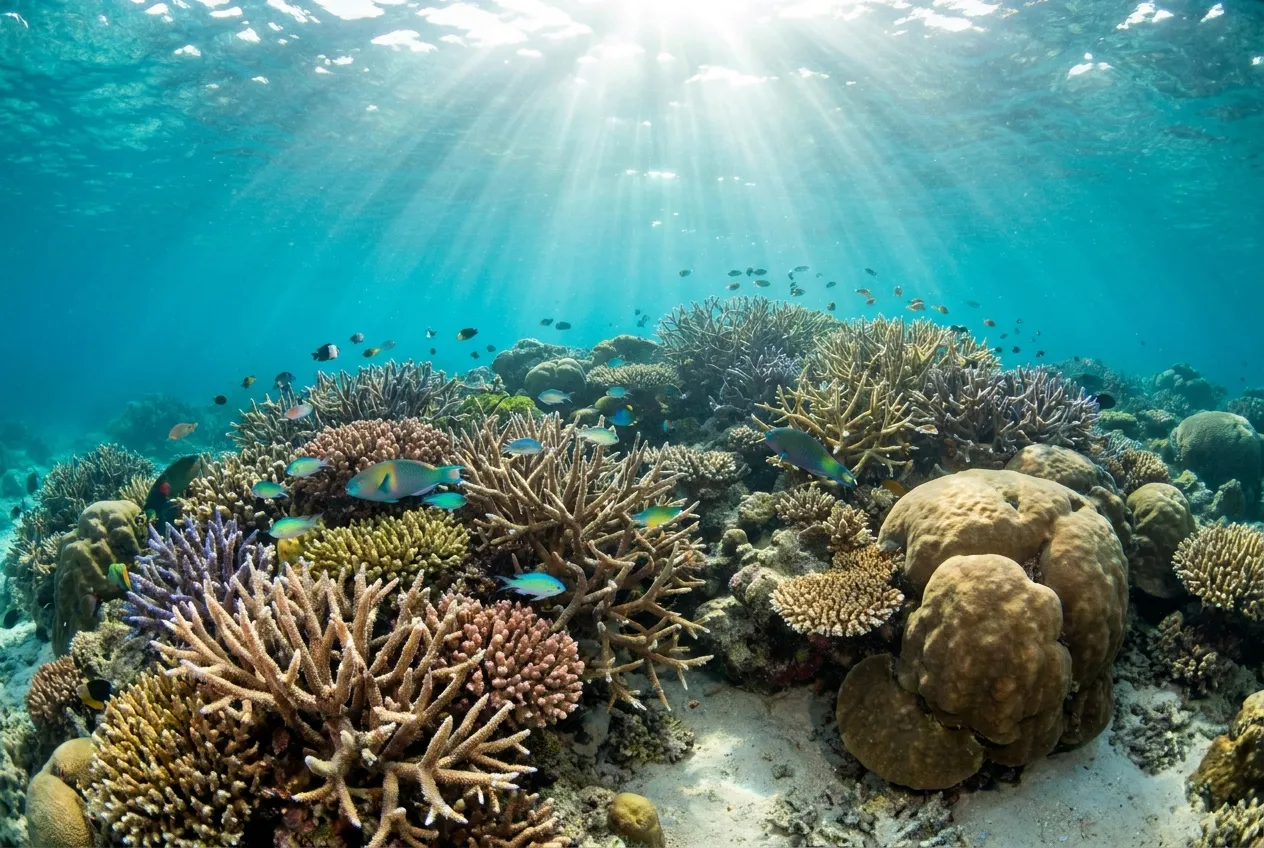
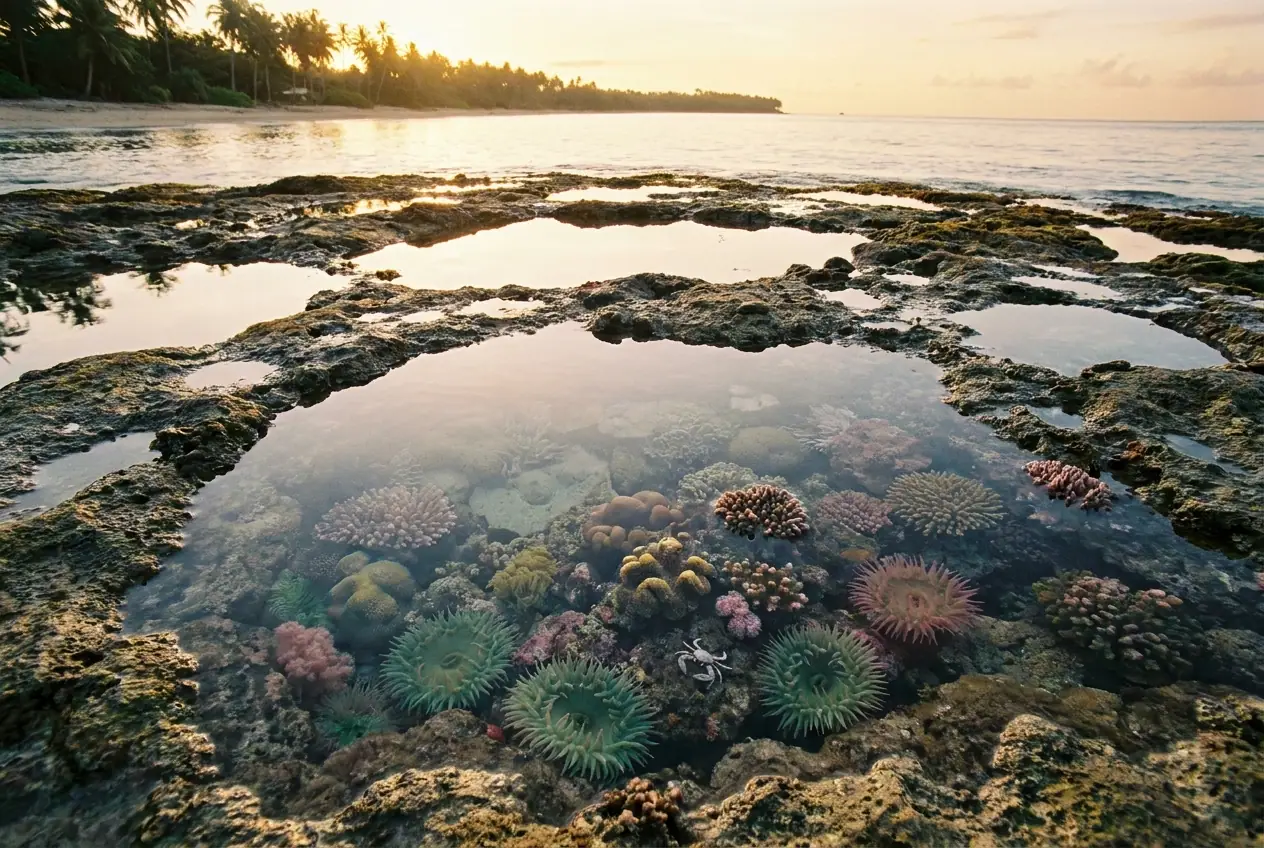
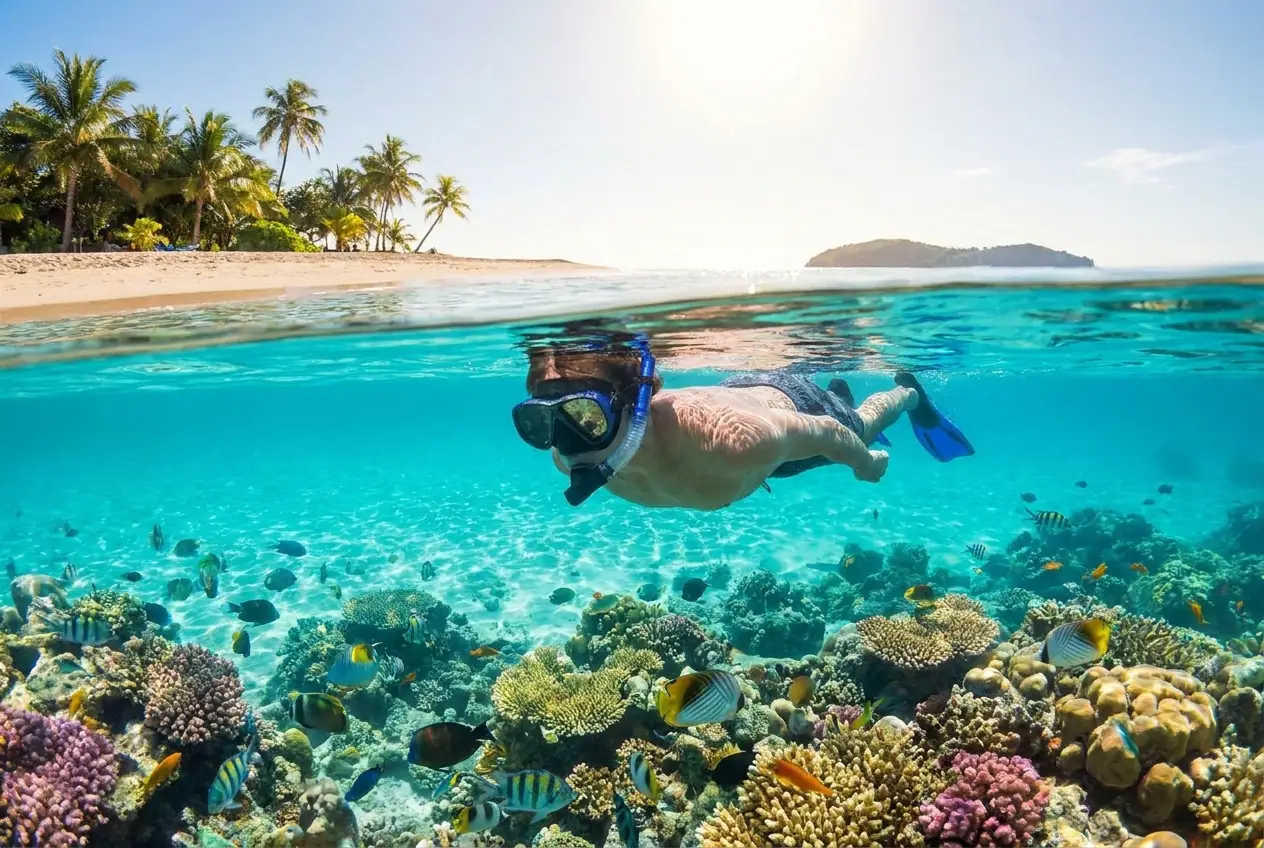
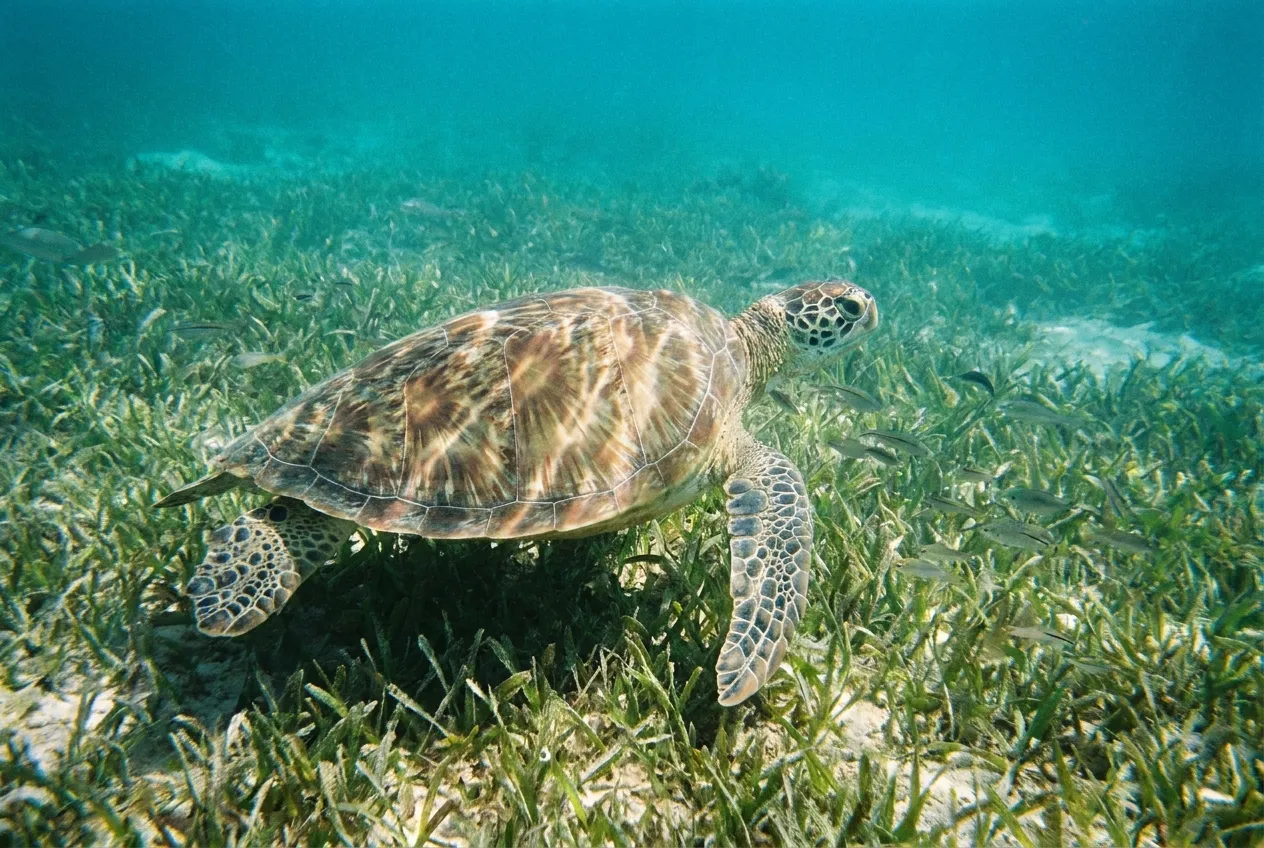
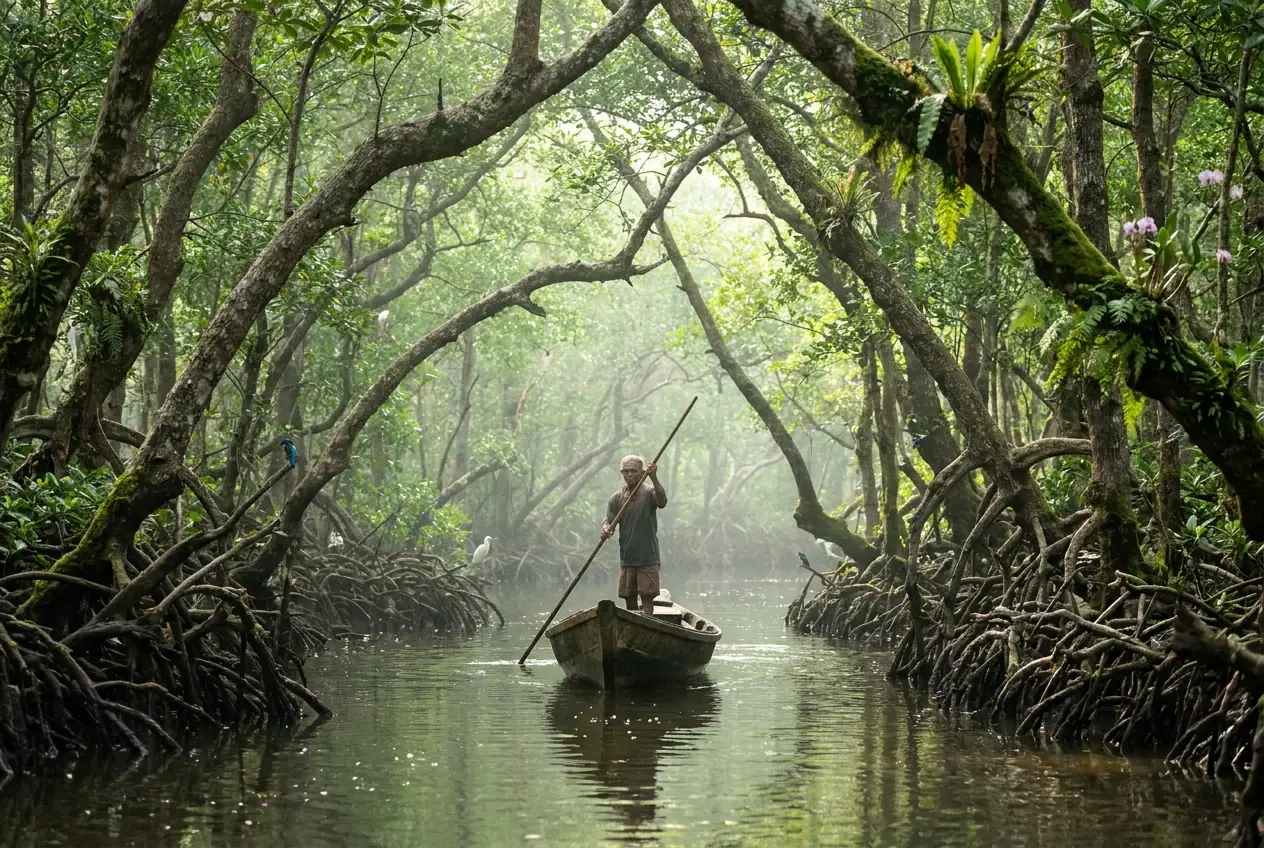
Marine conservation in the Andaman Islands starts with understanding what is at stake. The archipelago is surrounded by fringing coral reefs, seagrass meadows, mangrove forests and long sandy beaches where sea turtles nest. These habitats support hundreds of species of fish, corals and invertebrates, and they sustain the fishing families and tourism businesses that make island life possible.
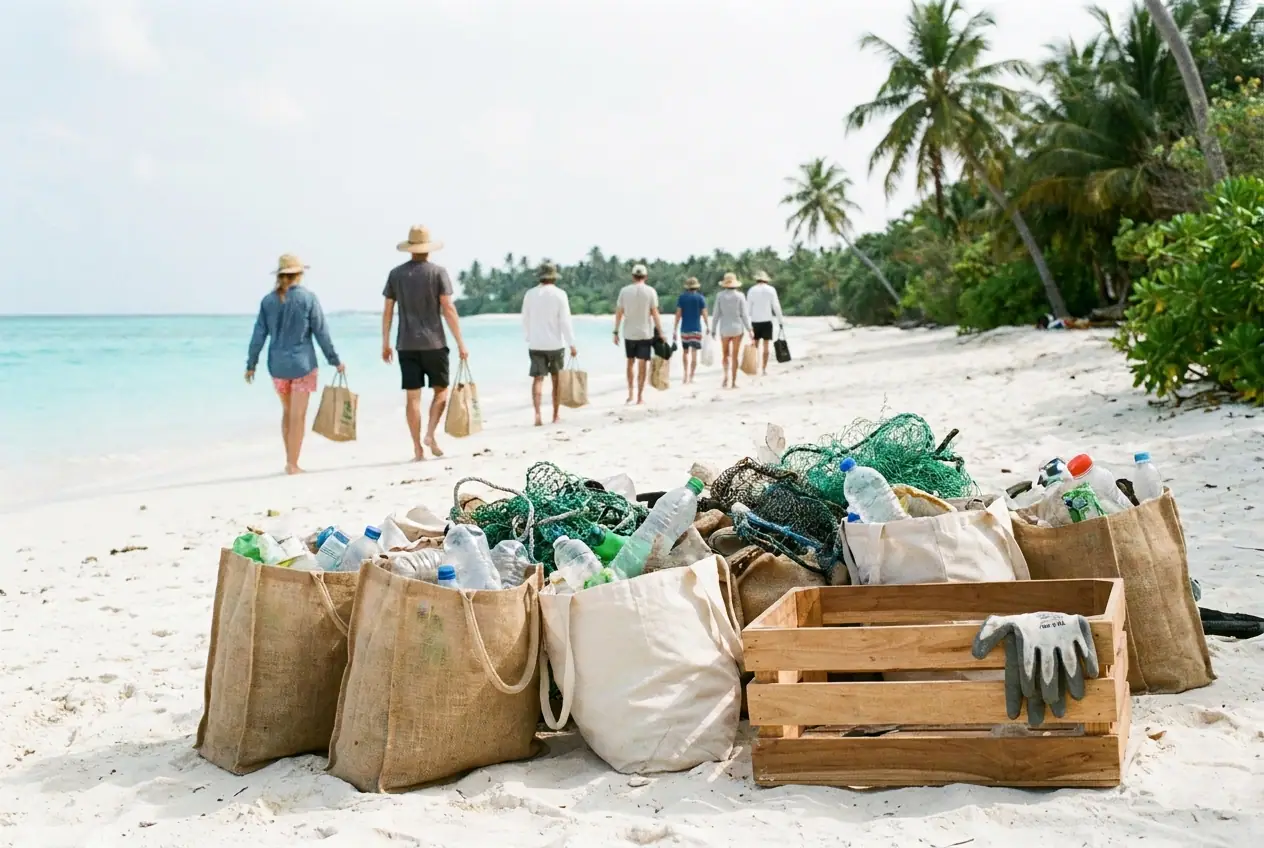
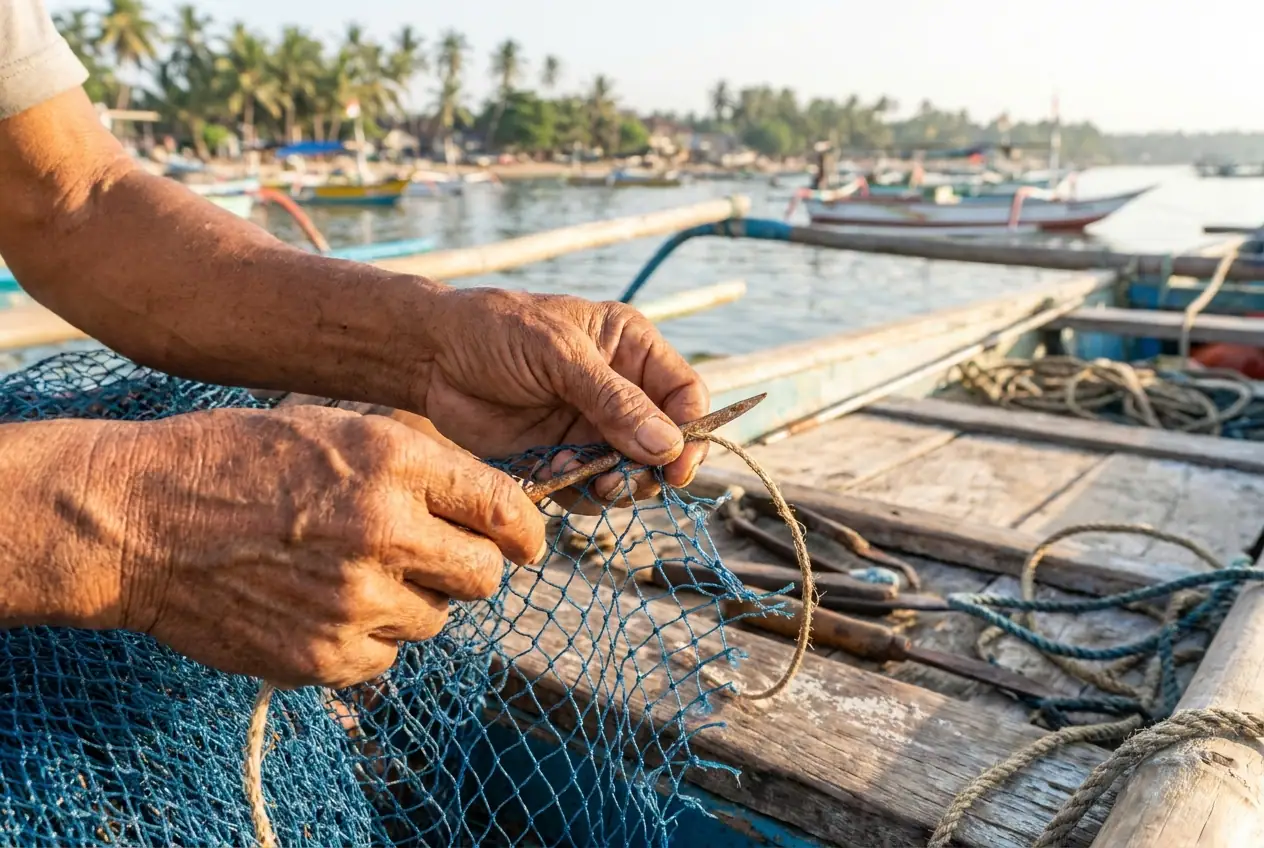
Many visitors are surprised to find plastic on remote Andaman beaches. Ocean currents carry bottles, sandals, fishing floats and ghost nets from across the Bay of Bengal and the Andaman Sea, and the litter washes up even on islands with few people. A short, informal beach clean-up during a quiet coastal outing can be a meaningful way to see the problem first-hand, and we sometimes include one when guests ask.
This page is a practical guide for travellers. It explains why marine conservation matters, what you can do on every trip and the simple rules that protect reefs, turtles and beaches. We describe what we practise and what we hope to build over time; we do not claim any established conservation partnership or programme.
Why It Matters
The Andaman Sea supports coral reefs, seagrass meadows, mangroves and nesting beaches that are vital to marine life and to island livelihoods. Fishing families, tourism businesses and coastal villages all depend on healthy seas. Yet these ecosystems face growing pressure from warming water and coral bleaching, plastic and fishing gear carried by currents, coastal development and careless tourism.
Travellers are part of the story. Every boat trip, snorkel session and beach visit has an impact, and small choices add up across hundreds of thousands of visitors each year. Choosing responsible operators, avoiding single-use plastic and following reef and wildlife rules all help protect what makes the islands special.
How Travellers Can Help
- Choose licensed operators who follow marine park rules and moor responsibly
- Use reef-safe sunscreen or cover up with a rash guard
- Never touch, stand on or collect coral, shells or marine life
- Refuse single-use plastic and carry a refillable bottle
- Pick up litter you find on beaches and dispose of it properly
- Keep a respectful distance from turtles, rays and other marine animals
Practical Guidelines
- Listen to the briefing before snorkelling or boarding and follow your guide's instructions
- Enter the water from sand rather than over coral
- Do not feed fish or other wildlife
- On nesting beaches, avoid lights at night and follow seasonal rules
- Buy seafood from sources that respect size and seasonal limits where you can
- Report injured marine animals or ghost nets to local authorities through your guide
Gallery

Sample itinerary
- Before you go
Pack light
Refillable bottle, reef-safe sunscreen and a rash guard.
- On the boat
Listen to the briefing
Learn the marine park rules for the day.
- In the water
Float, don't touch
Keep fins clear of coral and never chase animals.
- On the beach
Short clean-up
Pick up litter you find, on request in some experiences.
- After
Share and report
Report ghost nets or stranded animals through your guide.
Sample itinerary – final plan depends on permissions, sea conditions and host availability.
FAQs
Why does marine conservation matter in Andaman?
Reefs, seagrass and mangroves support marine life, protect coasts and sustain livelihoods, and they are under pressure from warming seas and plastic.
Can I join a beach clean-up?
We can include a short, informal clean-up on a quiet beach in some experiences. We do not claim this as an established programme.
Do you work with conservation organisations?
We are building relationships with local conservation voices, but we do not claim any established partnership.
What sunscreen should I use?
A mineral, reef-safe sunscreen, or cover up with a rash guard and hat.
How can I report a stranded turtle or ghost net?
Tell your guide, who will contact the relevant forest or fisheries authorities.