Overview
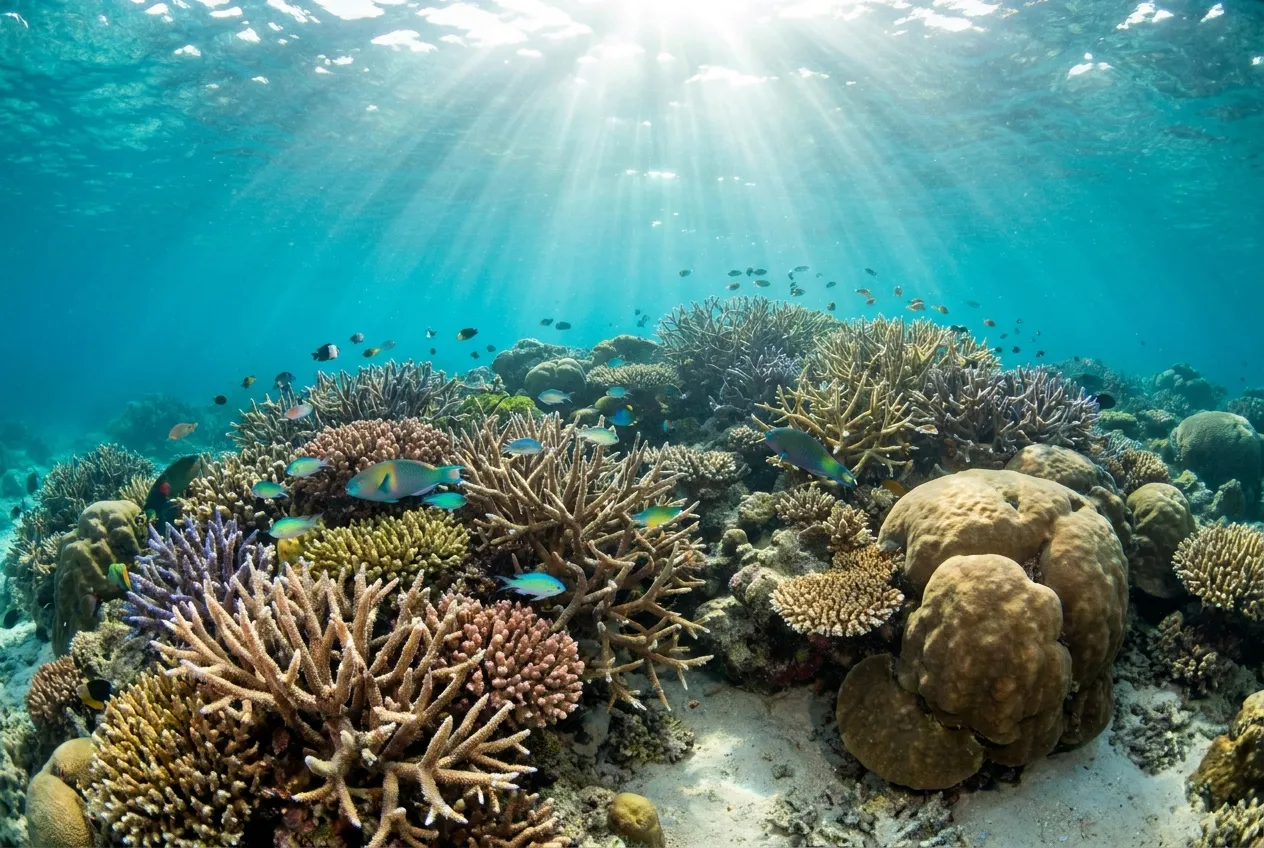
The coral reefs of the Andaman Islands are among the most diverse in India, fringing many islands with hard and soft corals, giant clams, sponges and hundreds of species of reef fish. For many visitors, a first snorkel over an Andaman reef is the highlight of the trip.
Reef awareness means understanding what you are looking at and how to enjoy it without harm. Corals are colonies of tiny animals called polyps, which live in partnership with microscopic algae that give them colour and energy. Reefs grow very slowly, often only millimetres to centimetres a year, so damage from a single careless kick or anchor can take decades to recover.
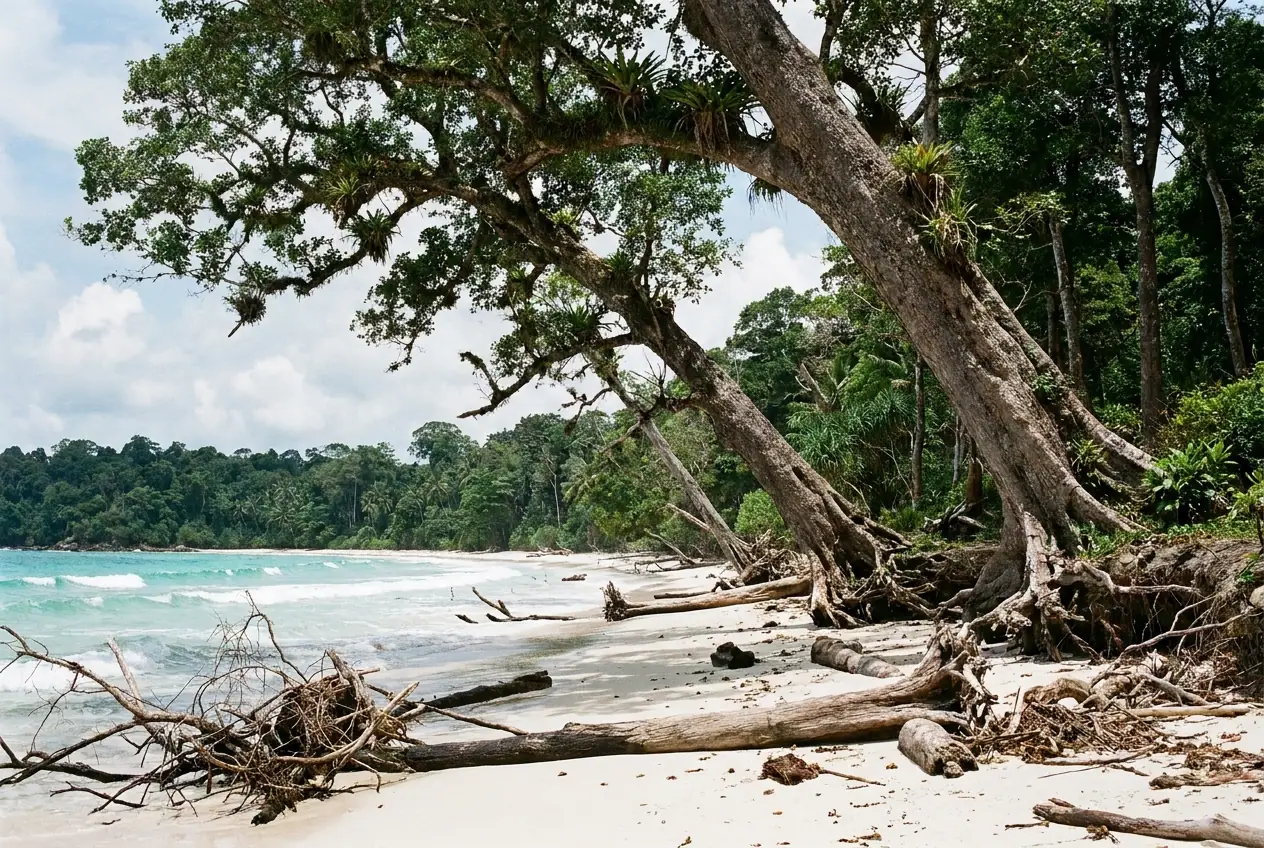
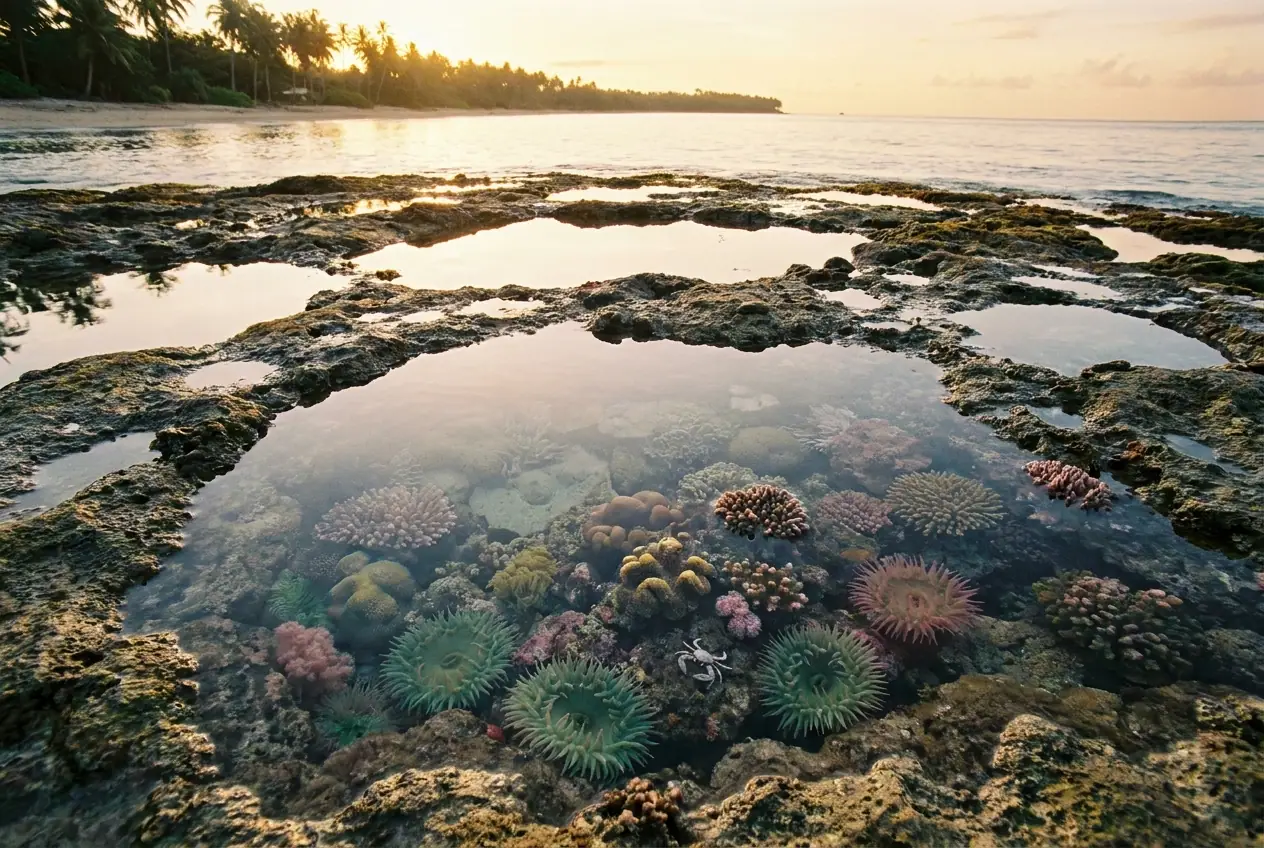
Reefs are also more varied than most visitors expect. Shallow reef flats near the shore are exposed at very low tides and are easily trampled; reef crests take the force of the waves; and the slopes beyond hold larger coral heads, sea fans and schools of fish. Around the reef, seagrass beds and mangroves act as nurseries, and many reef fish spend their early lives there before moving out to the corals.
On every snorkelling or boat outing, our guides explain what you are seeing and how to behave around it. We choose permitted sites that suit the conditions on the day, brief guests before they enter the water and keep groups small so that no stretch of reef is crowded. This page gathers those briefings into one guide you can use anywhere in the islands.
Why It Matters
Andaman reefs have experienced coral bleaching during periods of unusually warm sea temperatures, when corals expel their algae and turn white. Many recover if the water cools, but repeated bleaching, sediment, pollution and physical damage make recovery harder.
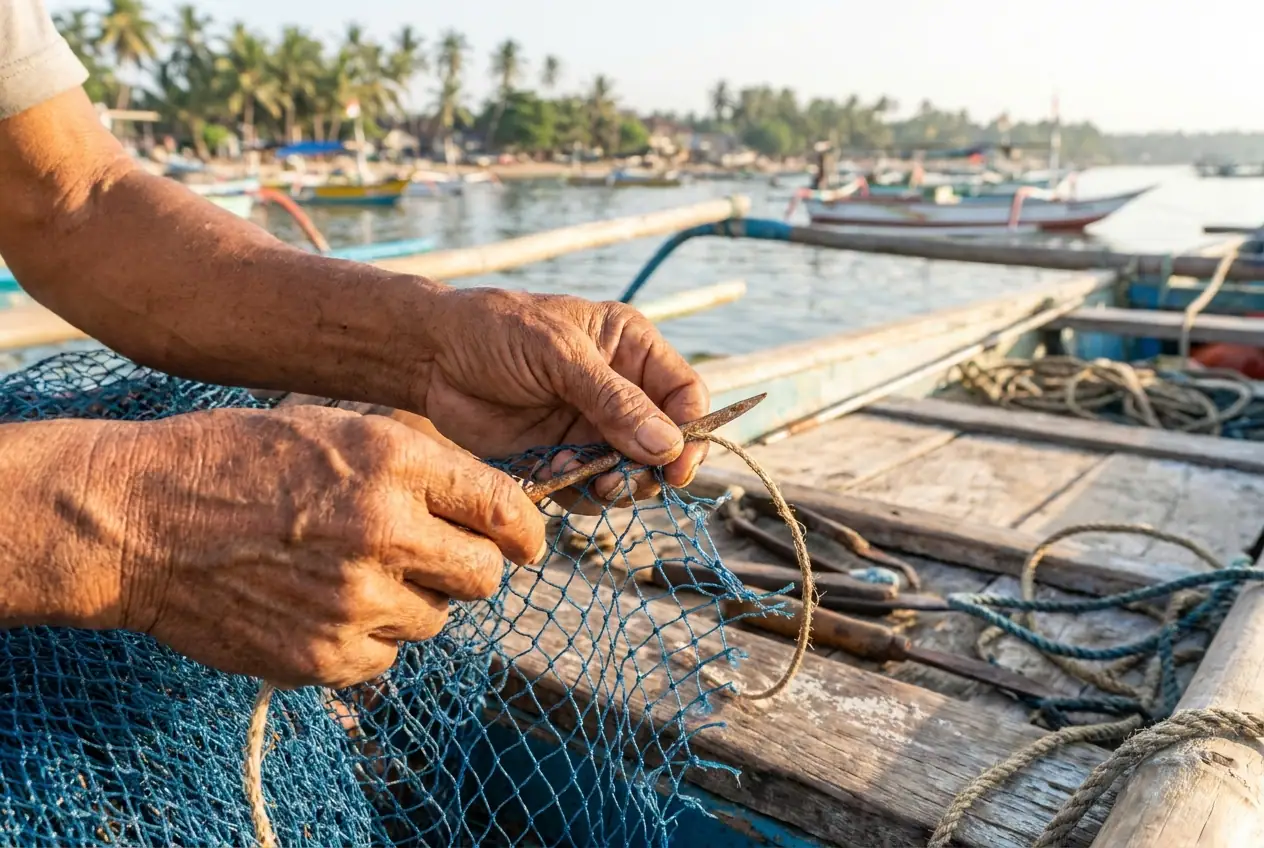
Healthy reefs protect coastlines from waves, provide food and income for fishing families and draw the visitors who sustain island tourism. Protecting them is in everyone's interest, and travellers can make a real difference through their behaviour in and around the water.
How Travellers Can Help
- Float rather than stand, and keep fins away from coral
- Never touch, break or collect coral or shells
- Use reef-safe sunscreen or wear a rash guard
- Do not feed fish; it changes their behaviour and health
- Choose operators who use moorings rather than anchoring on reefs
- Share what you learn with other travellers
Practical Guidelines
- Practise your snorkelling in sand or shallow water first
- Wear a buoyancy aid if you are not a confident swimmer
- Keep at least an arm's length from corals and animals
- Do not chase turtles or rays
- Avoid trampling reef flats at low tide
- Report damaged reefs or illegal fishing to your guide
Gallery




Sample itinerary
- Before snorkelling
Practise in sand
Get comfortable in shallow water first.
- Briefing
Know the reef
Reef flats, crests and slopes, and why they matter.
- In the water
Keep an arm's length
Float over coral and keep fins high.
- Around wildlife
No feeding, no chasing
Watch turtles and fish from a distance.
- After
Spread the word
Share reef-safe habits with other travellers.
Sample itinerary – final plan depends on permissions, sea conditions and host availability.
FAQs
What is coral bleaching?
When water is too warm, corals expel the algae living in their tissues and turn white. They can recover if conditions improve, but repeated bleaching is harmful.
Is reef-safe sunscreen really necessary?
Some sunscreen ingredients are thought to harm corals. A mineral sunscreen or a rash guard is a simple precaution.
Can I touch coral if I am careful?
No. Even gentle contact can damage polyps and spread disease.
Do you run reef restoration projects?
No. We do not claim any established reef project; we focus on responsible behaviour and education.
Where can I snorkel responsibly in Andaman?
At permitted sites with licensed guides; see our snorkelling page for details.